



BLOWER FAN
Company Profile
Established in 2003, Shenzhen Amore Industrial Co., Ltd (AMR) is a company devoted in the production of AC/DC axial fans, motors and SPD. There are 4 divisions under the company, namely: Electronic Cooling Division, Surge Protective Device Division, Motor Division, and Y.S. TECH Agency Division. AMR products all have been certified by CCC, CE, UL, TUV and etc. The factory has passed ISO9001, ISO14001, QS9000 and other certifications.
Why Choose Us
Quality Control
Based on the principle of quality first and customer first, AMR employs advanced technology and continuously improves product quality to meet the needs of customers. Our clients include Huawei, ZTE, Emerson, China Mobile, China Unicom, China Telecom, Southern Power Grid, as well as APC, Delta, Eltek and other famous customers both at home and abroad.
Professional Team
Our target is to provide excellent quality and professional services. In the ever-changing global economic environment, AMR endeavors to work with customers for a better future.
Our Factories
AMR has 3 factories in Shenzhen. The factories have set up excellent management system and boast of most professional teams armed with advanced production and experimental equipment and develop cutting-edge technologies.
Our Certificate
Passed ISO9001、ISO13485 quality management system certification.
The series products have passed UL、CE、 3C international certification.


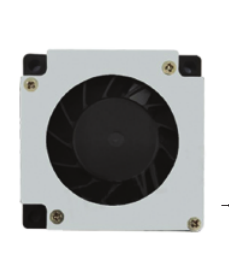


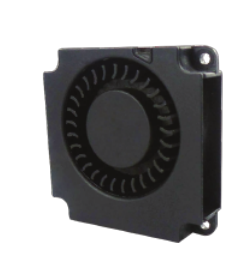
A centrifugal fan, also known as a centrifugal blower, is a mechanical device used to move air or other gas at an angle to the incoming fluid. Centrifugal blowers are used in industries that require large amounts of high-pressure air flow.
What is Blower Fan?
A blower fan is a powerful electric machine that provides ventilation or air circulation for appliances or buildings that need air flow. A blower fan might be as small as the matchbook-size device in a laptop used to keep the processor cool or as large as a truck, installed in a large factory to provide ventilation.This type of fan has three main components: the fan, by which air is moved through its blades; a powerful motor with lubricated moving parts that spin the fan blades; and a power supply that provides electrical power to the motor. A metal or plastic housing contains the assembled parts.
Very common as exhaust fans in industrial and commercial buildings, blower fans have become more prevalent in residences. More and more frequently, home builders and home owners have looked to conserve energy, making homes as airtight as possible.
Benefits of Blower Fan
Help Keep Workers Cool
During the summer months, many industrial settings can get very hot. This can be dangerous for workers who may be more susceptible to heat-related illnesses and injuries. bLOWER fAN can be set up to blow cool air over workers or equipment that creates too much heat.
01
Help Keep Work Areas Clean
Whether you work with a lot of dust or other contaminants or you are just trying to keep sawdust from getting all over the floor, a blower can be used to clean up around the workplace.
02
Help Reduce Noise Levels
If your blower produces excessive noise, adjusting the speed or moving it to another location may solve the problem. bLOWER fAN can also reduce noise levels and create a more peaceful work environment, especially in indoor settings.
03
Efficient At Moving Air
There are many benefits to using an air blower. First, they are very efficient at moving air. This means that they can quickly cool or heat a space, improving employee comfort and productivity.
04
Efficient Blowing
An blower can be used to clear large areas quickly. These devices can blow a large amount of material in a short amount of time. This can be helpful if you need to clear a large area quickly, such as a parking lot after a snowstorm.
05
Blower Fan vs. Floor Fan the Key Differences
Function And Purpose
Blower fans are designed to generate a concentrated, high-velocity airflow in a specific direction. They are ideal for applications that require pushing air over a long distance or creating focused airflow in a targeted area. Blower fans are commonly used in industrial settings, HVAC systems, and equipment cooling where a strong and directional airflow is needed.
Design And Size
When it comes to design and size, blower fans and floor fans differ significantly. Blower fans are typically more compact and streamlined in design, resembling a box or cylinder shape. They are often lightweight and easy to carry around, making them suitable for smaller spaces or spot cooling. In contrast, floor fans are larger in size and usually feature wide blades that circulate air over a broader area.
Airflow And Coverage
When comparing blower fans and floor fans, a crucial aspect to consider is the difference in airflow and coverage between the two types of fans. Blower fans typically produce a focused and concentrated airflow, making them ideal for directing air to specific areas or objects. This targeted airflow is particularly useful for cooling electronic equipment, drying floors, or circulating air in a localized manner.
Noise Level
When it comes to comparing blower fans and floor fans, one key aspect to consider is the noise level produced by each type of fan. Blower fans are generally quieter compared to floor fans, making them a preferred choice for those who prioritize a peaceful environment. The design of blower fans allows for a more efficient distribution of air without the need for high-speed blades, resulting in reduced noise output.
Energy Efficiency
When comparing blower fans and floor fans in terms of energy efficiency, it is essential to consider the power consumption of each type of fan. Blower fans typically use motors that are designed to operate at high speeds, consuming more energy compared to floor fans. The powerful airflow generated by blower fans may be effective for specific applications, but it comes at the cost of higher energy usage.
Portability And Placement
When comparing blower fans and floor fans in terms of portability and placement, it’s clear that floor fans have the upper hand. Floor fans are designed to be lightweight and portable, making them easy to move from room to room as needed. Their freestanding design allows for flexibility in placement, whether it’s on the floor, a table, or any flat surface, making them versatile for use in various settings.
Type of Blower Fan
Positive displacement blowers, which are suitable for applications which involve either air or neutral gas, operate in a relatively simplistic fashion. Air or gas enters through a section on one side of the blower which increases in size and exits through the other side which decreases in size. Due to the difference in proportion between the entry and exit points, positive displacement of the air occurs as it is released through the contracting side, increasing air pressure. A particular feature of this kind of blower is that regardless of pressure changes, the speed of airflow remains consistent.
One specific kind of positive displacement blower is the rotary lobe blower. This operates by way of dual rotors which rotate in opposing directions. The blower draws in air, and the lobes spin the air around before impelling it outward.
Helical screw blowers, much like centrifugal blowers, are able to produce air at higher pressures than rotary lobe blowers. Helical screw blowers utilize two rotors, which are each equipped with lobes (usually two or three). The main rotor fits into the flute of a second rotor.
Centrifugal blowers are typically used in applications where there is a need for high pressure and variable flow. These blowers have rotating impellers, which increase the speed of the air (or gas) as it passes through. Additionally, as the air enters the blower’s fan wheel, it rotates 90 degrees and exits the blower at a faster rate than it entered. This type of blower is ideal for maintaining continual gas transfer. As gas passes through, kinetic energy is increased, and thus as the gas is discharged from the blower, gas enters to level out the pressure.
Designed for high-pressure (up to 25 psi) and high-flow (up to 15,000 m3 per hour) demands, high-speed blowers are powered by a motor. Similar to centrifugal blowers, high-speed blowers have impellers at each side which provide dual suction. These direct-coupled impellers are directly connected to a permanent magnet synchronous motor operated by a variable frequency drive (VFD) which allows for high-speeds while maintaining control of flow.
Blower Fan Applications
Air Handling
Blower fan provide high and even airflow through the ductwork of a building. Air movement is achieved by large angle blades connected to the hub of the blower.
Dust Loading
Dust loading blower fan collect dust to improve air quality. For some industries, dust collection is an essential part of their operations as well as being a legal requirement under Environmental Protection Agency (EPA) regulations. Air quality regulations are for the protection of workers since air particulates can lead to a variety of health conditions.
Fume Extraction
A wide variety of industrial processes produce fumes, smoke, and chemicals that have to be removed from the air. The fumes and other contaminants are removed by scrubbers or points of emission. This is normally achieved through the use of a system of blower fan and fans.
Material Handling
The material handling industry uses pneumatic pressure systems to move granular and powder materials to production. Industries such as the pharmaceuticals, food processing, agriculture, chemical, and cement producers require blower fan to remove fine particulates from the air.
Saturated Air
Saturated air contains moisture or gases. Above the established point, condensation occurs. The danger of such concentration is damage to equipment from corrosion and rust, which requires the air to be removed and cleaned.
Exhausting
In small and enclosed workspaces where paint and vapors accumulate, blower fan serve the purpose of removing and filtering the fumes and vapors to keep the air clean. Since some of the chemicals in these applications can be combustible, exhaust blower fan have to be spark resistant.
Blowers are important tools. When you’re shopping for blowers to do a specific job, you’ll find the options abundant. Choosing the right blower might feel like a large task, but when you know more about how they work, the task becomes more manageable. While blowers are varied, pretty much all of them work on the same principle.
Blowers primarily work through the concept of a centrifugal fan. This is fundamentally different from a blade fan or propeller fan. Instead, they use what are known as impellers to move air radially. Whereas a normal propeller fan will move air axially, the radial flow of air in a blower allows for different design options. You can have multiple stages of air movement, and centrifugal fan designs can create incredibly high pressures and flow rates.
Centrifugal fans will also create an angle in the flow of air, eliminating the need for long, straight lines in the air-movement system.
Impellers can come in a number of orientations, but the idea is pretty simple. If you have ever fanned the pages of a book and felt air move, then you have used the concept of impellers. When they are scaled up to industrial applications, they are rigid, curved blades that can rotate very quickly.
The driving mechanism of a blower fan largely determines its application. When you attach a belt to the motor, you allow for variable speed operations. This is better for lower pressure situations. The belts also reduce strain on the fan itself, making belt drives preferable for operations that take longer.
When the fan is directly driven by the motor, you get more power to the fan at the cost of greater strain. These fans typically have to be made of stronger, more costly materials. The advantage is that they can run at much higher RPM and create more pressure. They can also move a larger volume of air faster.
Blower Fan Troubleshooting and Problem Identification
Checking the Power Supply
Check the power supply to the blower to ensure that it is properly connected and functioning. This can involve checking fuses, breakers, and other components.
Inspecting the Blower Assembly
Inspect the blower assembly for damage, wear, or other problems. This can involve checking the impeller, housing, inlet and outlet ducts, and other components.
Troubleshooting the Motor
Troubleshoot the blower motor to ensure that it is functioning properly. This can involve checking the wiring, connections, and control system.
Testing the Control System
Test the control system to ensure that it is properly regulating the operation of the blower motor and other components. This can involve checking switches, relays, and other control devices.
Inspecting the Blower Impeller
Inspect the blower impeller for damage, wear, or other problems. This can involve checking for debris or other obstructions that may be affecting airflow.
Maintenance and Care Guide for Blower Fan
Regular Inspection
Regularly inspect the various components of the blower, including the impeller, bearings, motor, transmission, etc. Check for abnormal wear, loose or damaged parts, and repair or replace them in time.
Cleaning
Regularly clean the internal and external surfaces of the blower. Use appropriate cleaning agents and tools to remove accumulated dust, grease and dirt. Be careful not to use corrosive cleaning agents to avoid damaging the surface coating or components of the blower.
Lubrication
Check the lubrication of the bearings and other moving parts of the blower. Add the appropriate amount of lubricant regularly according to the manufacturer's recommendations. Make sure to use the appropriate lubricant and follow the correct lubrication method and interval.
Troubleshooting
If the blower has abnormal noise, vibration or other malfunctions, troubleshoot it in time. First check for loose parts or damaged parts, and then repair or replace them as needed.
Replace the filter
Blower fan are usually equipped with filters to filter dust and impurities in the air. Check the status of the filter regularly and clean or replace it as needed. This helps keep the blower working properly and extends the life of the filter.
Maintain ventilation
Blower fan generally require good ventilation. Make sure the space around the blower is well ventilated and avoid blockages or restrictions on airflow. This helps keep the blower running cooler and reduces the risk of failure.
Our Factory
Our target is to provide excellent quality and professional services. In the ever-changing global economic environment, AMR endeavors to work with customers for a better future.Based on the principle of quality first and customer first, AMR employs advanced technology and continuously improves product quality to meet the needs of customers. Our clients include Huawei, ZTE, Emerson, China Mobile, China Unicom, China Telecom, Southern Power Grid, as well as APC, Delta, Eltek and other famous customers both at home and abroad.


FAQ